


Description
General Description
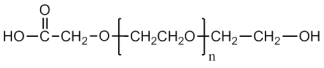
Poly(L-Glutamic Acid)-MPEG is an amphiphilic block copolymer that combines the biodegradable and functional properties of poly(L-glutamic acid) with the hydrophilic and stealth characteristics of polyethylene glycol. Poly(L-glutamic acid) contains pendant carboxylic acid groups that can be used for conjugation with drugs, peptides, proteins, targeting ligands, and imaging agents.
The mPEG segment enhances aqueous solubility, improves biocompatibility, reduces nonspecific protein adsorption, and increases colloidal stability. Poly(L-Glutamic Acid)-MPEG is frequently employed in polymer-drug conjugates, nanoparticle formulations, micellar drug delivery systems, tissue engineering scaffolds, and advanced biomaterials. The biodegradable nature of both components makes this copolymer particularly attractive for pharmaceutical and biomedical applications.
Applications
- Drug delivery systems
- Polymer-drug conjugates
- Nanoparticle formulation
- Polymeric micelles
- Protein conjugation
- Peptide conjugation
- Targeted drug delivery
- Tissue engineering
- Biomaterials development
- Nanomedicine research
Features and Benefits
- Biodegradable polypeptide backbone
- Multiple carboxylic acid functionalities
- Hydrophilic mPEG segment
- Excellent water solubility
- Improved biocompatibility
- Reduced protein adsorption
- Enhanced colloidal stability
- Suitable for drug conjugation
- Available in multiple molecular weights