

Description
General Description
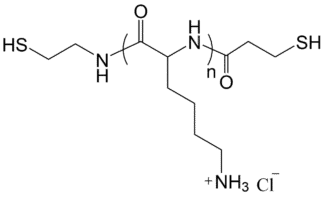
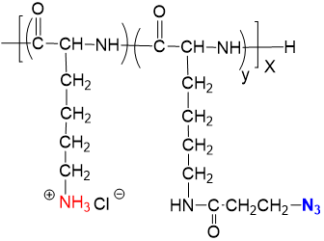
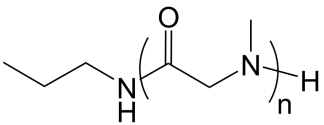
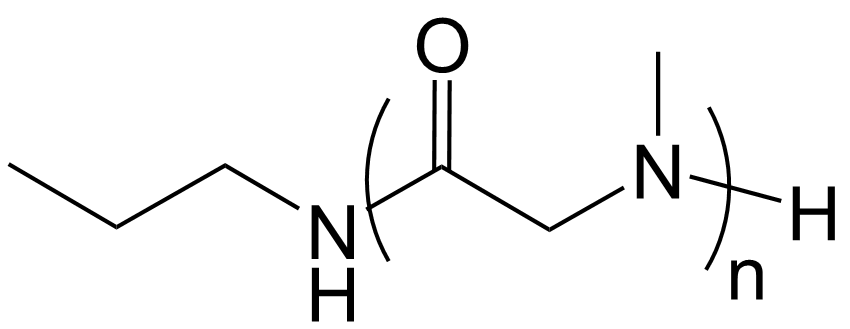
Polysarcosine is a synthetic polypeptoid typically prepared through ring-opening polymerization of Sarcosine NCA. Unlike conventional polypeptides, polysarcosine contains N-methylated amide bonds, resulting in excellent aqueous solubility and reduced intermolecular interactions. The polymer exhibits stealth-like behavior in biological systems and has emerged as a promising alternative to polyethylene glycol (PEG) for biomedical applications.
Due to its low protein binding, excellent biocompatibility, and biodegradability, polysarcosine is widely used for nanoparticle surface modification, polymer therapeutics, drug conjugates, protein stabilization, and advanced biomaterials. The polymer can also be incorporated into block copolymers and functional polymer architectures for targeted drug delivery and nanomedicine applications.
Applications
- Drug delivery systems
- Nanoparticle surface modification
- PEG alternative polymers
- Protein conjugation
- Antibody conjugation
- Polymeric micelles
- Gene delivery research
- Biomaterials development
- Tissue engineering
- Nanomedicine research
Features and Benefits
- Excellent water solubility
- Biocompatible and biodegradable
- Low immunogenicity
- Low protein adsorption
- PEG alternative for biomedical applications
- Stealth polymer properties
- Suitable for nanoparticle functionalization
- Compatible with drug delivery systems
- Available in multiple molecular weights