
Description
General Description
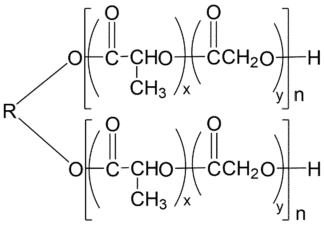
PLGA-di-hydroxyl, Poly(D,L-lactide-co-glycolide)-di-hydroxyl (PLGA-diol) is a biodegradable polyester containing hydroxyl groups at both chain termini. The polymer combines the favorable biodegradation characteristics of lactide and glycolide while providing reactive hydroxyl functionalities for subsequent chemical modification.
The terminal hydroxyl groups can be utilized for the synthesis of PEGylated copolymers, functionalized polymers, crosslinkable materials, and advanced drug delivery systems. PLGA-diol serves as an important intermediate for the preparation of triblock copolymers, star polymers, hydrogels, and biodegradable biomaterials. The degradation products, lactic acid and glycolic acid, are naturally metabolized by the body, making PLGA-diol highly attractive for biomedical applications.
Applications
- Drug delivery systems
- Biodegradable nanoparticle preparation
- Polymer conjugation
- PEGylated copolymer synthesis
- Hydrogel preparation
- Tissue engineering
- Controlled release formulations
- Biodegradable scaffolds
- Biomaterials research
- Functional polymer synthesis
Features and Benefits
- Hydroxyl groups at both chain ends
- Biodegradable and biocompatible
- Reactive polymer intermediate
- Suitable for block copolymer synthesis
- Controlled degradation profile
- Excellent versatility for polymer modification
- Compatible with esterification and urethane chemistries
- Widely used in biomedical applications
- Available in various molecular weights and lactide:glycolide ratios