
Description
General Description
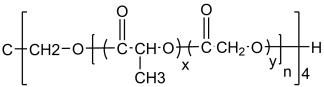
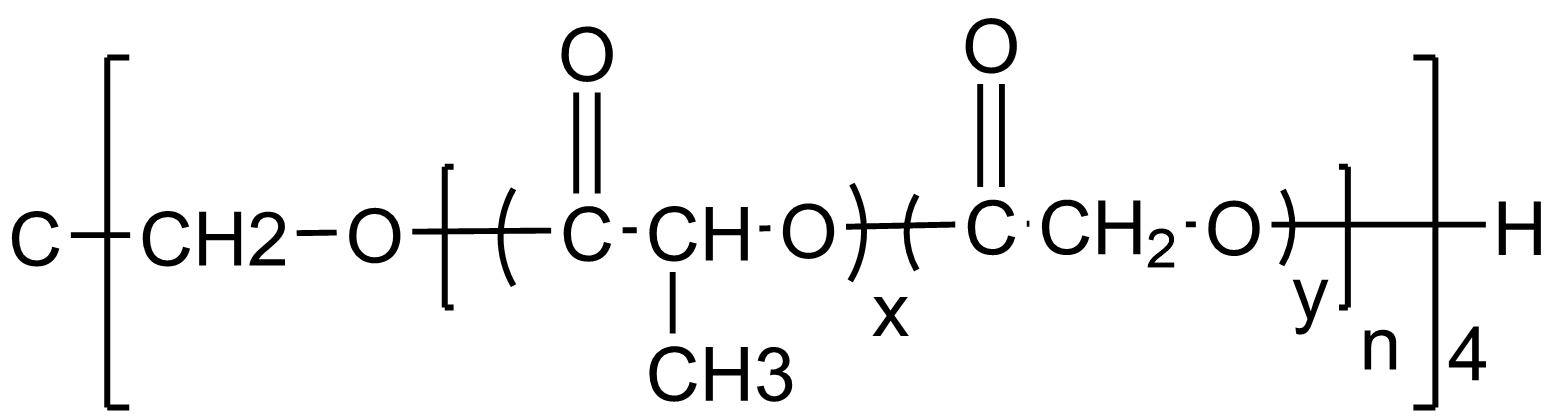
4-Arm PLGA is a star-shaped biodegradable polyester designed to provide improved functionality and structural versatility compared to conventional linear PLGA polymers. The polymer consists of four PLGA arms attached to a central core, typically derived from pentaerythritol or a similar multifunctional initiator.
The multi-arm architecture offers increased chain-end density, allowing efficient modification with functional groups such as amine, carboxyl, NHS ester, maleimide, acrylate, azide, alkyne, and biotin. The polymer exhibits excellent biocompatibility and biodegradability, degrading into lactic acid and glycolic acid through hydrolysis.
4-Arm PLGA is commonly employed in advanced drug delivery systems, injectable biomaterials, nanoparticle formulations, hydrogel networks, and regenerative medicine applications.
Applications
- Drug delivery systems
- Polymeric nanoparticles
- Injectable biomaterials
- Controlled drug release
- Hydrogel formation
- Tissue engineering
- Regenerative medicine
- Surface modification
- Protein conjugation
- Nanomedicine research
Features and Benefits
- Star-shaped PLGA architecture
- Biodegradable and biocompatible
- Higher end-group density than linear PLGA
- Enhanced drug loading capability
- Tunable degradation properties
- Suitable for hydrogel and nanoparticle fabrication
- Available in various lactide:glycolide ratios
- Functionalization-ready polymer platform