Description
General Description
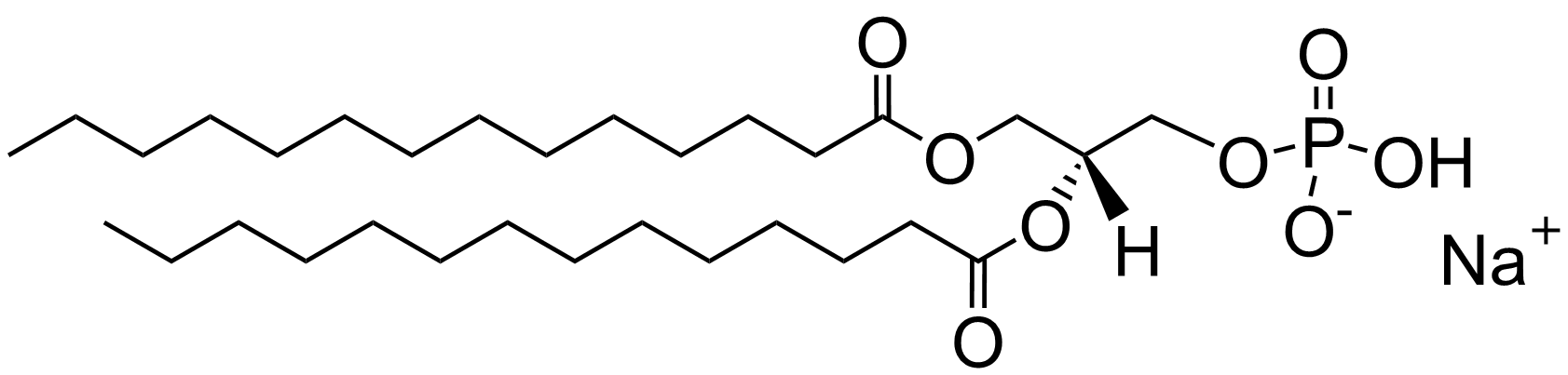
DMPA is an anionic phospholipid belonging to the phosphatidic acid (PA) family. It contains two myristic acid (C14:0) chains esterified to a glycerol backbone and a phosphate head group present as the sodium salt.
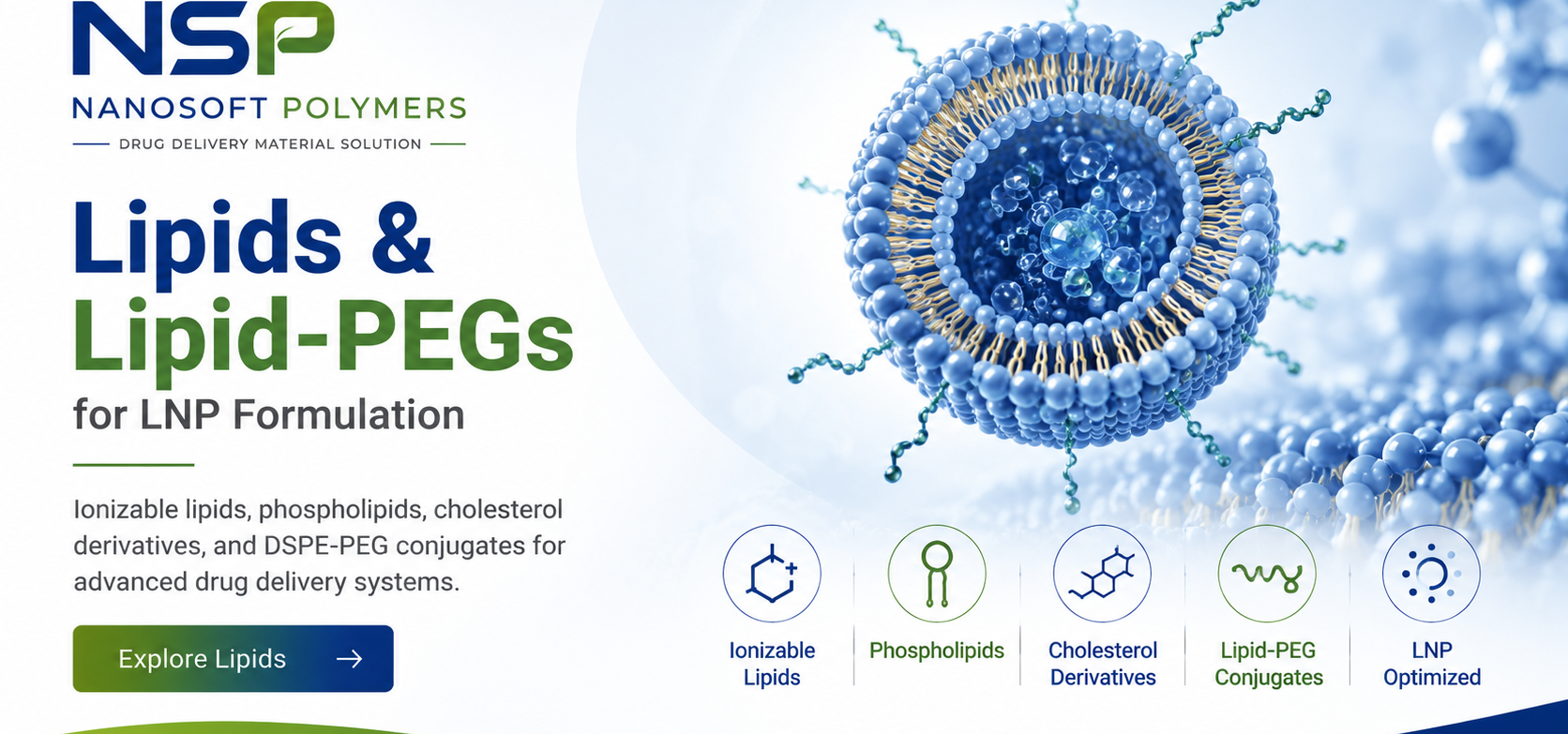
As a key membrane lipid, phosphatidic acid plays important roles in membrane curvature, lipid signaling, membrane fusion, and vesicle formation. DMPA is frequently utilized as a model phospholipid in liposome preparation, membrane interaction studies, lipid-protein binding investigations, and nanoparticle formulation development.
Due to its well-defined structure and high purity, DMPA serves as a valuable reagent for pharmaceutical, biochemical, and biophysical research applications.
Applications
- Liposome formulation
- Lipid nanoparticle (LNP) research
- Model membrane preparation
- Membrane fusion studies
- Lipid-protein interaction studies
- Drug delivery research
- Lipid metabolism research
- Cell membrane biophysics
- Nanomedicine development
- Pharmaceutical formulation research
Features and Benefits
- Synthetic phosphatidic acid lipid
- Negatively charged phospholipid
- High purity research-grade material
- Suitable for liposome preparation
- Useful for membrane biophysics studies
- Well-defined fatty acid composition
- Compatible with lipid nanoparticle formulations
- Excellent batch-to-batch consistency