
Description
General Description
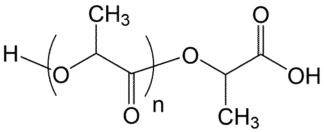
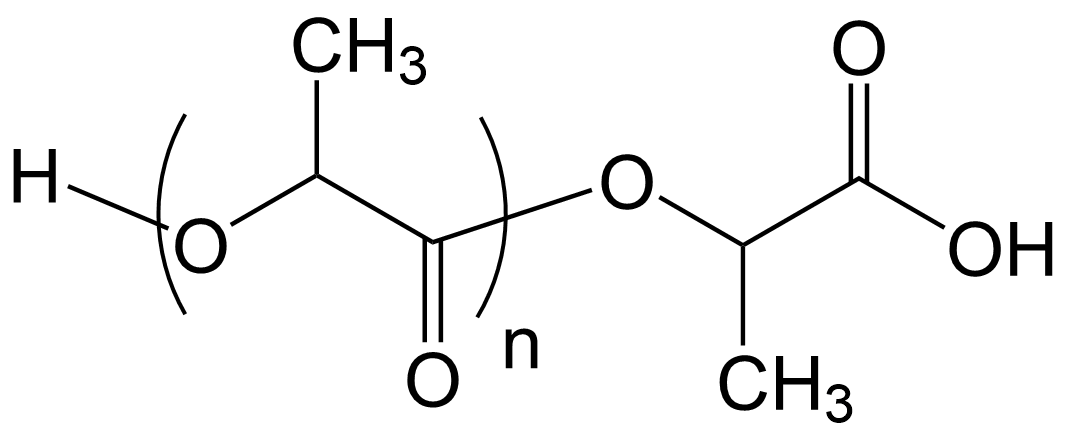
PLLA-Acid (PLLA-COOH) is a carboxyl-terminated poly(L-lactide) containing a reactive terminal carboxylic acid (–COOH) group.
Poly(L-lactide) (PLLA) is a biodegradable and biocompatible aliphatic polyester derived from L-lactide. Compared with amorphous PDLLA, PLLA has a more stereoregular structure and can exhibit significant crystallinity, depending on molecular weight and processing conditions.
The terminal carboxyl group provides a convenient site for further chemical modification. It can be activated using EDC/NHS chemistry or other carboxyl activation methods and subsequently reacted with primary amines to form stable amide bonds.
PLLA-COOH can be used as a precursor for functional polymers, block copolymers, polymer-drug conjugates, nanoparticles, surface-modified materials, and biodegradable biomaterials.
Applications
- Biodegradable nanoparticle preparation
- Drug delivery
- Polymer conjugation
- EDC/NHS coupling
- Block copolymer synthesis
- Protein and peptide conjugation
- Surface functionalization
- Tissue engineering
- Controlled release
- Biomaterials research
Features and Benefits
- Terminal carboxylic acid (–COOH)
- Biodegradable PLLA backbone
- Derived from L-lactide
- Suitable for EDC/NHS activation
- Reactive with primary amines after activation
- Useful precursor for functional polymers
- Suitable for nanoparticle preparation
- Tunable molecular weight
- Custom molecular weights available