

Description
General Description
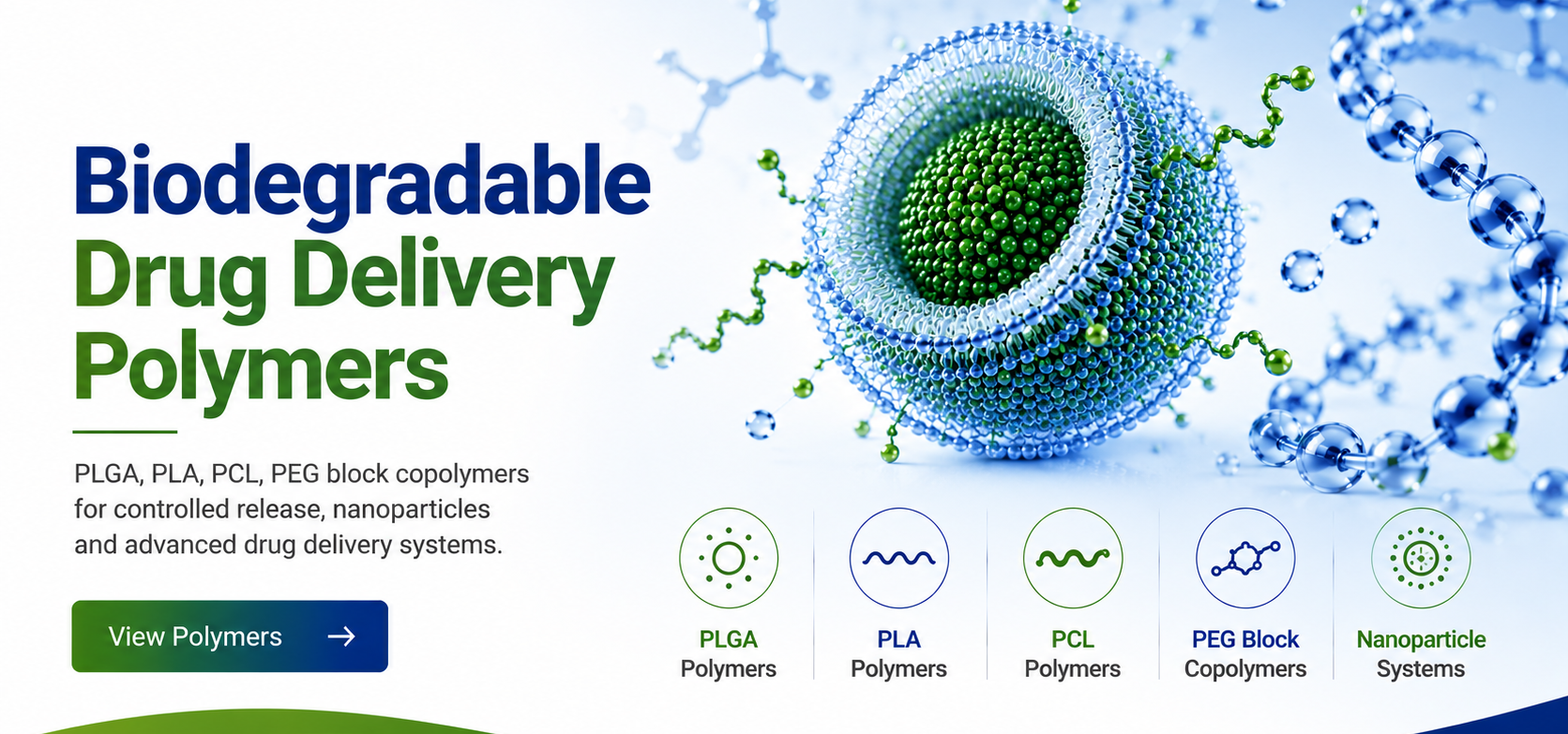
Acryloyl-PLGA-PEG-Alkyne (ACRL-PLGA-PEG-ALK) is a biodegradable amphiphilic block copolymer designed for advanced drug delivery and bioconjugation applications. The hydrophobic poly(lactic-co-glycolic acid) (PLGA) segment promotes self-assembly into polymeric micelles and nanoparticles while providing controlled biodegradation. The hydrophilic polyethylene glycol (PEG) segment improves aqueous solubility, colloidal stability, prolonged circulation, and biocompatibility.
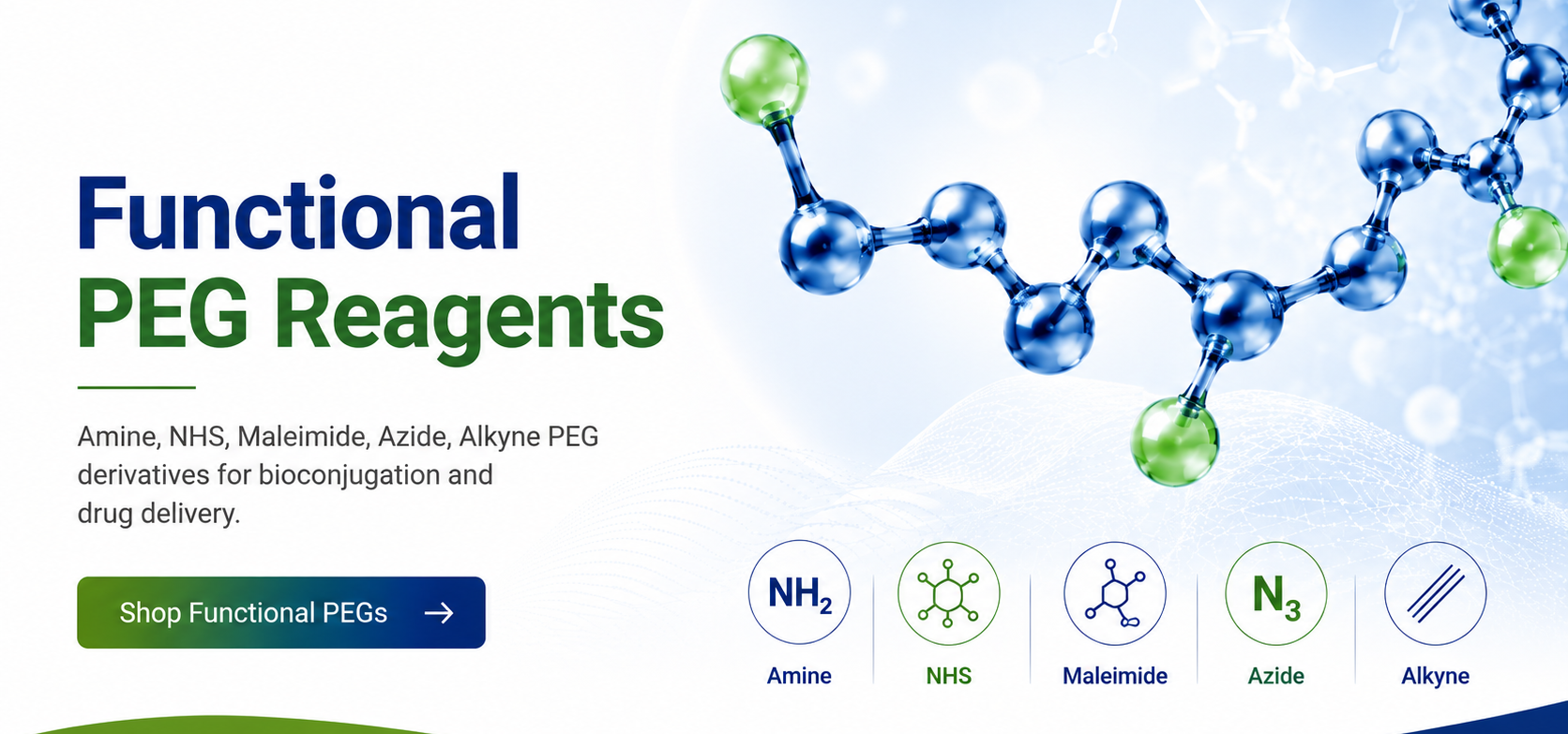
The terminal acryloyl (ACRL) group efficiently participates in free-radical polymerization and thiol-Michael addition, allowing incorporation into hydrogel networks and polymer matrices. The opposite alkyne (ALK) group provides a versatile handle for copper-catalyzed azide-alkyne cycloaddition (CuAAC) or copper-free click chemistry with azide-functionalized biomolecules, peptides, antibodies, polymers, nanoparticles, and other targeting ligands.
The combination of biodegradable PLGA, hydrophilic PEG, and orthogonal reactive groups makes ACRL-PLGA-PEG-ALK an excellent platform for multifunctional nanoparticles, injectable hydrogels, targeted therapeutics, imaging probes, and advanced biomaterials.
Applications
- Polymeric micelle preparation
- Nanoparticle fabrication
- Targeted drug delivery
- Hydrogel synthesis
- Click chemistry
- Surface functionalization
- Bioconjugation
- Tissue engineering
- Controlled drug release
- Biomaterials research
Features and Benefits
- Amphiphilic PLGA-PEG block copolymer
- Terminal acryloyl functionality
- Terminal alkyne functionality
- Compatible with CuAAC click chemistry
- Supports thiol-Michael addition
- Biodegradable PLGA segment
- Excellent aqueous dispersibility
- Research-grade quality



Reviews
There are no reviews yet.