

Description
General Description
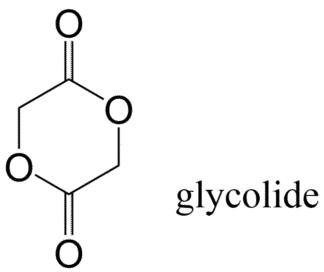
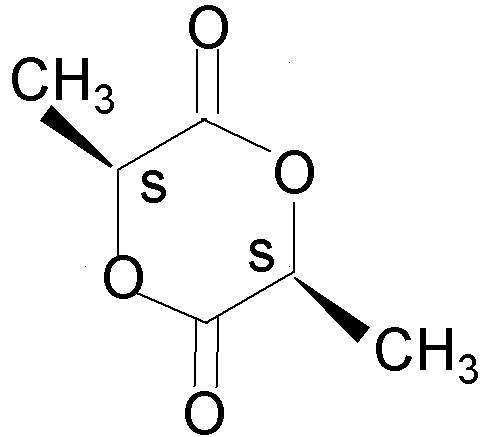
D-Lactide is a high-purity cyclic diester (1,4-dioxane-2,5-dione derivative) produced from two molecules of D-lactic acid. It serves as a key monomer for the controlled ring-opening polymerization (ROP) to produce poly(D-lactic acid) (PDLA), a biodegradable and biocompatible polyester widely used in biomedical and pharmaceutical applications.
Polymerization of D-Lactide can be initiated using metal catalysts such as stannous octoate (Sn(Oct)₂) or various organocatalysts to afford polymers with controlled molecular weights and narrow molecular weight distributions. PDLA can also be blended with poly(L-lactic acid) (PLLA) to form stereocomplex PLA, which exhibits significantly enhanced thermal stability, crystallinity, and mechanical strength compared with either homopolymer alone.
D-Lactide is extensively employed in the synthesis of biodegradable polymers for controlled drug delivery, absorbable sutures, orthopedic implants, tissue engineering scaffolds, 3D printing materials, and sustainable packaging.
Applications
- Ring-opening polymerization (ROP)
- Poly(D-lactic acid) (PDLA) synthesis
- Stereocomplex PLA preparation
- Drug delivery systems
- Tissue engineering
- Biodegradable medical devices
- Absorbable sutures
- 3D printing materials
- Biodegradable plastics
- Polymer research
Features and Benefits
- High optical purity
- High-purity cyclic ester monomer
- Efficient ring-opening polymerization
- Controlled polymer molecular weight
- Biodegradable and biocompatible
- Compatible with various ROP catalysts
- Forms high-performance stereocomplex PLA with PLLA
- Research and industrial grade available