

Description
General Description
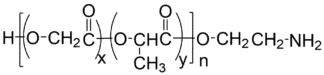
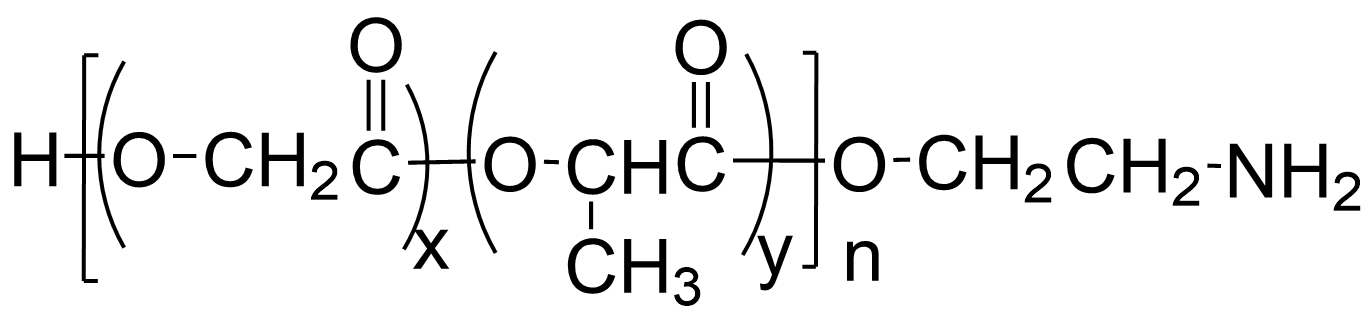
PLGA-Amine (PLGA-NH2, 85:15) is an amino-terminated biodegradable polyester composed of 85% lactide and 15% glycolide. Compared with PLGA 50:50 and 75:25, the higher lactide content increases polymer hydrophobicity and slows hydrolytic degradation, making it particularly suitable for long-term controlled drug release and implantable biomedical applications.
The terminal primary amine readily reacts with activated carboxylic acids, NHS esters, aldehydes, epoxides, isothiocyanates, and other amine-reactive molecules. It can also be used to prepare PEGylated PLGA, antibody-polymer conjugates, peptide-polymer conjugates, fluorescent polymers, and targeted drug delivery systems.
PLGA-Amine (85:15) is extensively employed in nanoparticles, microspheres, injectable depots, implantable drug delivery devices, tissue engineering scaffolds, biodegradable implants, and advanced biomaterials development.
Applications
- Sustained drug delivery
- Long-acting injectable formulations
- Nanoparticle formulation
- Microsphere preparation
- PEG conjugation
- Protein conjugation
- Antibody conjugation
- Tissue engineering
- Surface modification
- Biomedical research
Features and Benefits
- Terminal primary amine functionality
- 85:15 lactide composition
- Slower degradation profile
- Extended drug release
- Excellent biocompatibility
- Versatile bioconjugation chemistry
- Excellent drug encapsulation capability