
Description
General Description
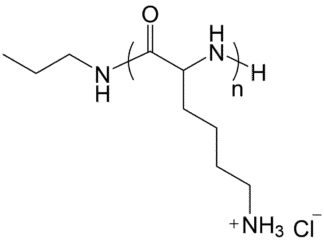
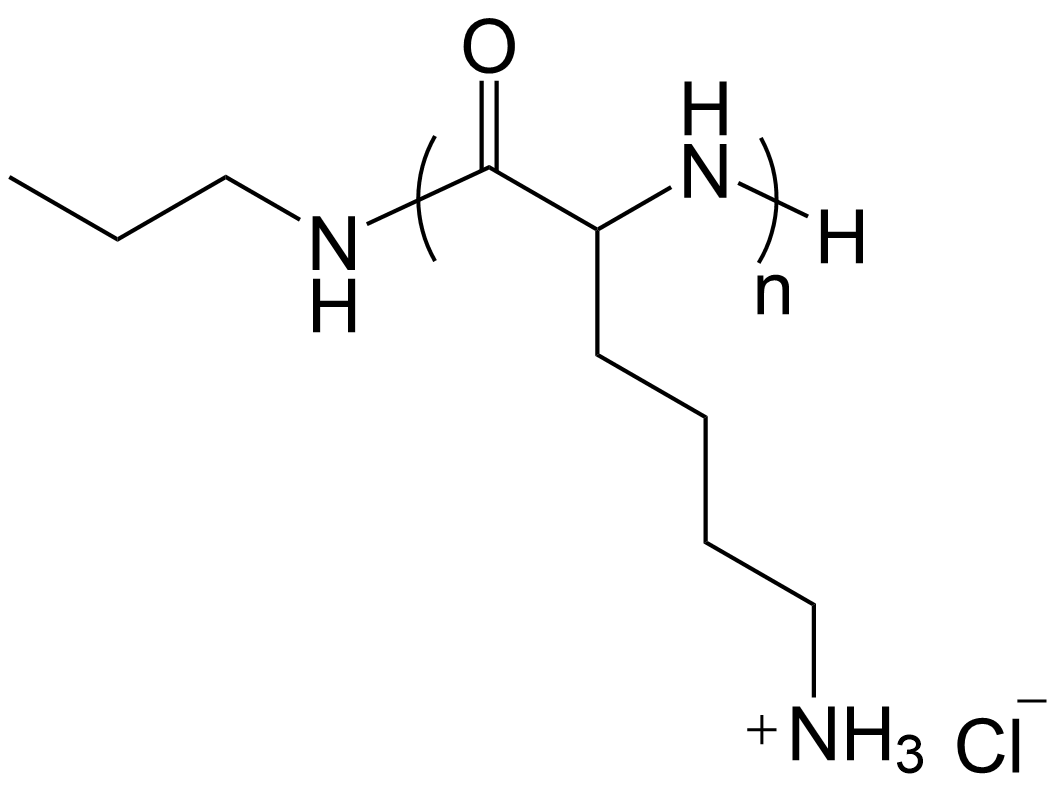
Poly(L-Lysine) Hydrochloride (PLL·HCl) is a synthetic cationic polypeptide consisting of repeating L-lysine units linked through peptide bonds. The abundant primary amine groups are protonated in the hydrochloride salt form, providing excellent aqueous solubility and strong electrostatic interactions with negatively charged molecules such as DNA, RNA, proteins, cell membranes, and nanoparticles.
PLL·HCl is extensively used as a transfection reagent, cell adhesion promoter, and polymeric carrier for nucleic acid delivery. The primary amine groups can also be chemically modified using NHS esters, activated carboxylic acids, aldehydes, epoxides, and isothiocyanates, allowing the preparation of a wide range of functional polymers and bioconjugates.
Due to its biodegradability, biocompatibility, and high density of reactive amino groups, Poly(L-Lysine) Hydrochloride is widely employed in gene delivery, tissue engineering, biosensors, surface modification, hydrogel preparation, and advanced biomaterials research.
Applications
- Gene delivery
- DNA and RNA complexation
- Cell culture surface coating
- Protein immobilization
- Nanoparticle preparation
- Hydrogel synthesis
- Surface modification
- Tissue engineering
- Biosensor fabrication
- Biomaterials research
Features and Benefits
- Biodegradable cationic polypeptide
- Multiple primary amine groups
- Excellent nucleic acid binding
- High aqueous solubility
- Excellent biocompatibility
- Suitable for chemical modification
- Promotes cell adhesion
- Available in multiple molecular weights