
Description
General Description
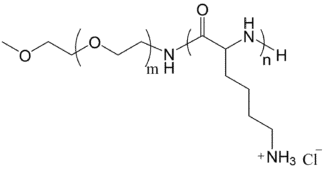
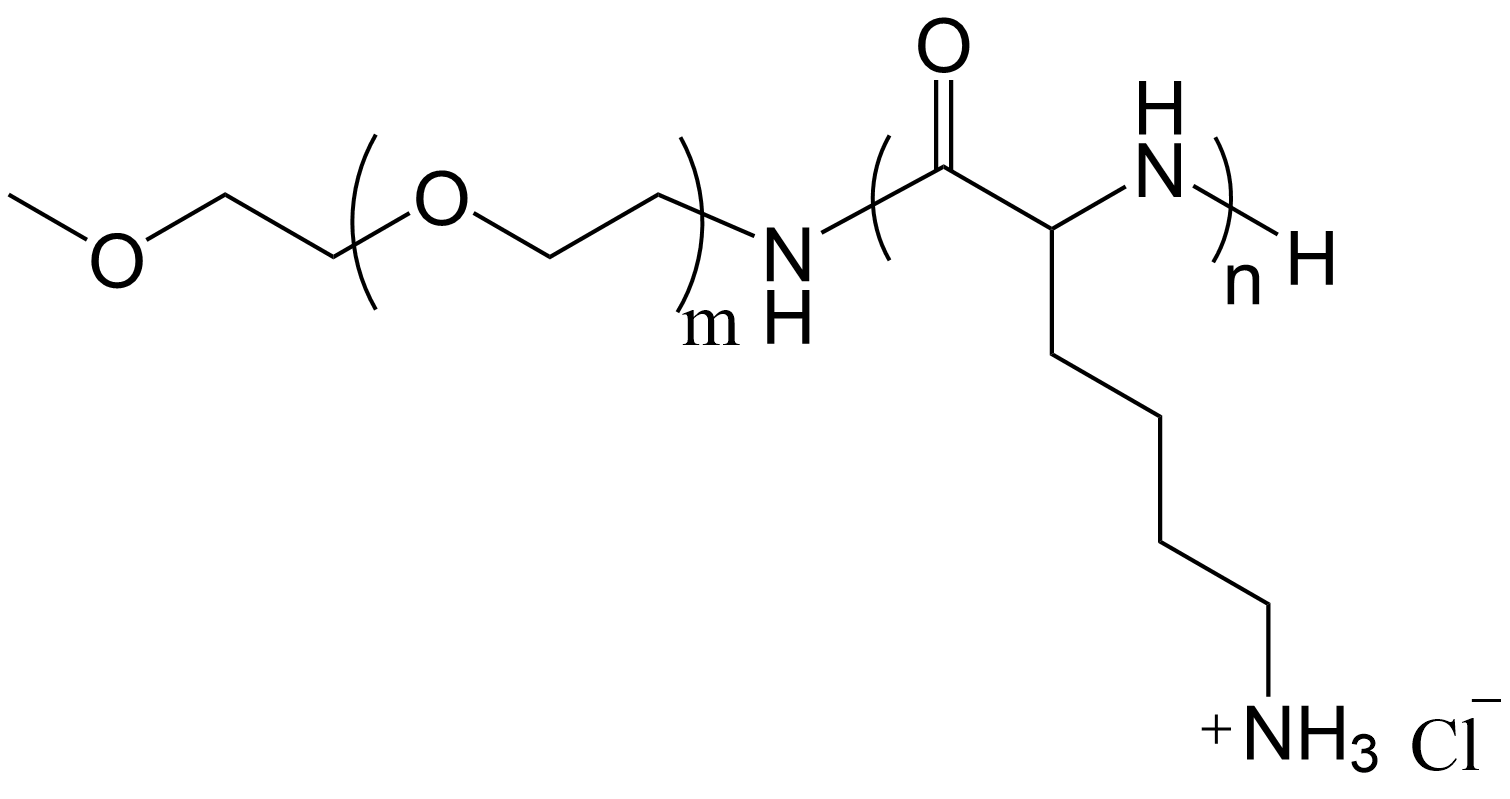
PLL-mPEG is a multifunctional PEGylated polypeptide that combines the strong surface-binding properties of poly(L-lysine) with the stealth characteristics of polyethylene glycol. The poly(L-lysine) backbone contains multiple primary amine groups that readily adsorb onto negatively charged substrates such as glass, silica, metals, and polymeric materials, while also enabling electrostatic interaction with nucleic acids and proteins.
The grafted methoxy PEG chains create a hydrophilic, non-fouling surface that reduces nonspecific protein adsorption, minimizes cell adhesion, improves colloidal stability, and enhances biocompatibility. As a result, PLL-mPEG has become one of the most widely used polymers for anti-fouling surface coatings, biosensors, microfluidic devices, nanoparticle stabilization, and biomedical surface engineering.
PLL-mPEG is extensively employed for surface PEGylation, cell culture substrates, biosensor fabrication, tissue engineering, drug delivery systems, and nanomedicine research.
Applications
- Surface PEGylation
- Anti-fouling surface coatings
- Cell culture surface modification
- Biosensor fabrication
- Microfluidic device coating
- Nanoparticle stabilization
- Drug delivery systems
- Tissue engineering
- Biomaterials engineering
- Biomedical research
Features and Benefits
- Poly(L-lysine) backbone
- Methoxy PEG functionality
- Excellent surface adsorption
- Reduces nonspecific protein adsorption
- Improves hydrophilicity
- Excellent biocompatibility
- Suitable for anti-fouling coatings
- Excellent colloidal stability
- Available with customizable PEG substitution