
Description
General Description
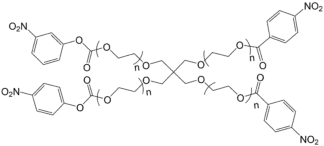
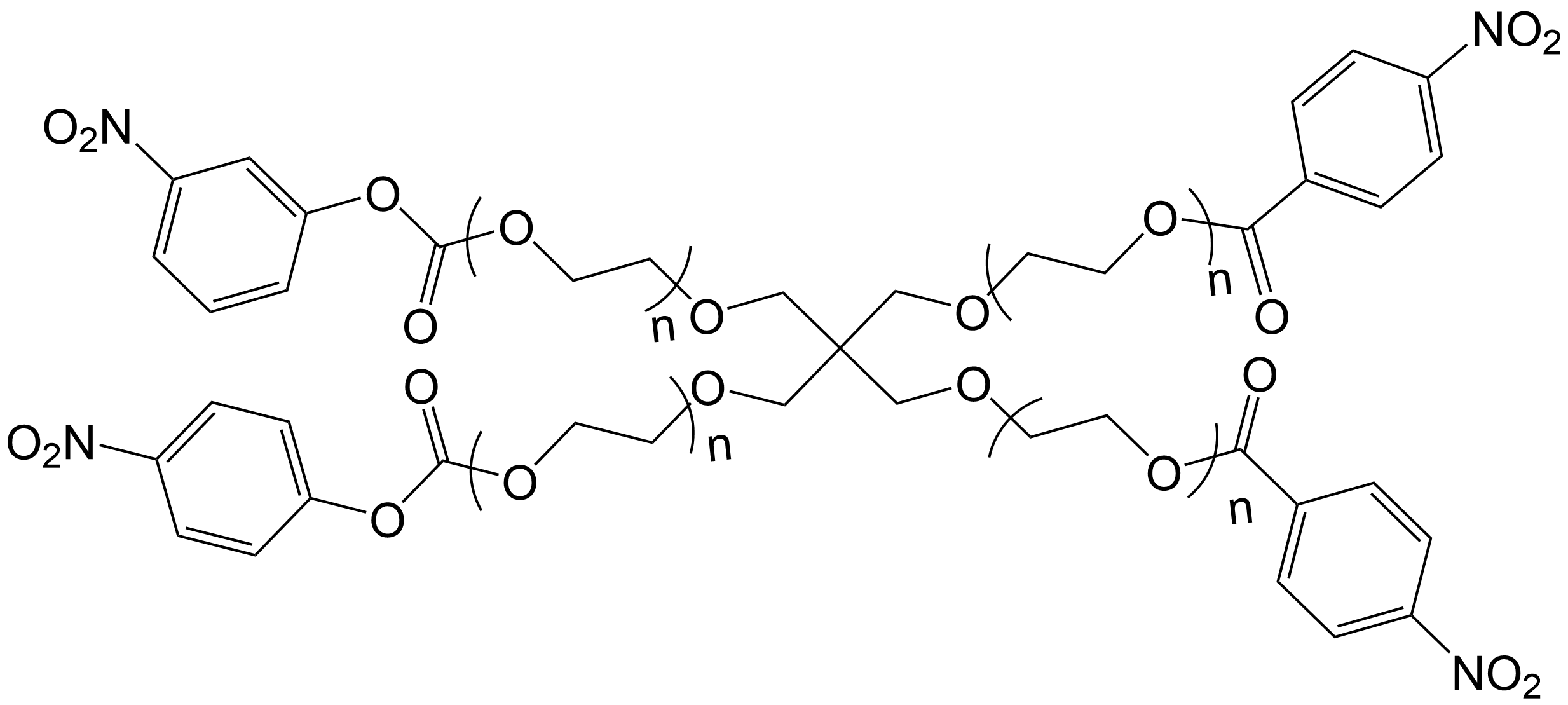
4-Arm PEG-NPC is a highly reactive branched PEG derivative designed for amine-specific conjugation and hydrogel formation. Compared with linear PEG derivatives, the four-arm architecture provides higher functional group density, enhanced crosslinking efficiency, and increased loading capacity for biomolecules and therapeutic agents.
The terminal p-nitrophenyl carbonate groups readily react with primary amines to form stable carbamate linkages under mild aqueous conditions. This chemistry is widely utilized for protein PEGylation, peptide conjugation, hydrogel fabrication, antibody modification, and preparation of advanced biomaterials.
The PEG backbone provides excellent water solubility, flexibility, biocompatibility, and resistance to nonspecific protein adsorption. 4-Arm PEG-NPC is frequently employed in tissue engineering, controlled drug delivery, injectable hydrogels, cell encapsulation, and regenerative medicine applications.
Applications
- Hydrogel synthesis
- Protein PEGylation
- Antibody conjugation
- Peptide conjugation
- Drug delivery systems
- Tissue engineering
- Cell encapsulation
- Surface modification
- Biomaterials engineering
- Biomedical research
Features and Benefits
- Four terminal NPC groups
- Amine-reactive PEG derivative
- Forms stable carbamate linkages
- Multi-arm PEG architecture
- High functional group density
- Excellent water solubility
- Excellent biocompatibility
- Efficient crosslinking capability
- Available in multiple molecular weights