
Description
General Description
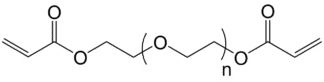
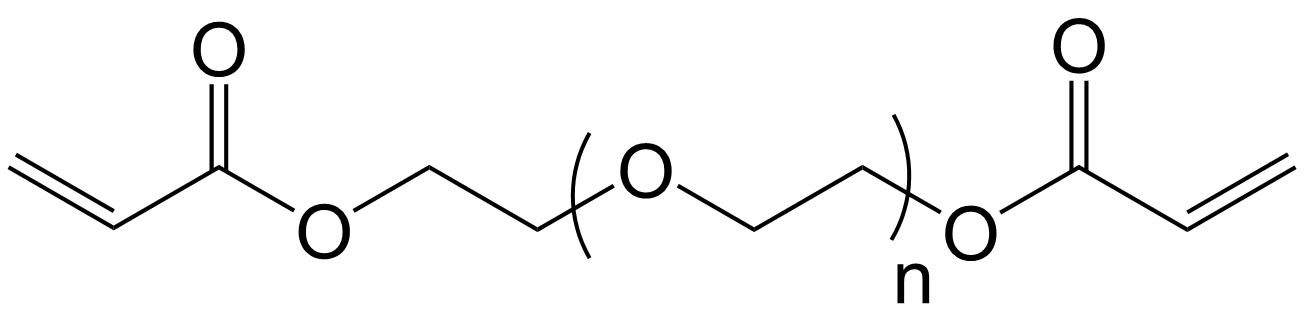
Acryloyl-PEG-Acryloyl (ACRL-PEG-ACRL) is a bifunctional PEG macromer designed for the preparation of biocompatible hydrogels and crosslinked polymer networks. The hydrophilic PEG backbone imparts excellent water solubility, flexibility, low protein adsorption, and biocompatibility, while the terminal acryloyl groups provide highly reactive sites for polymerization and conjugation.
The acryloyl groups efficiently participate in free-radical polymerization initiated by thermal or photochemical initiators and also undergo thiol-Michael addition with sulfhydryl-containing molecules under mild conditions. These versatile reaction pathways enable the fabrication of injectable hydrogels, bioinks, tissue engineering scaffolds, and controlled drug delivery systems with tunable mechanical properties.
ACRL-PEG-ACRL is widely employed in regenerative medicine, cell encapsulation, biosensors, surface coatings, microfluidic devices, and advanced biomaterials due to its excellent biocompatibility and controlled crosslinking behavior.
Applications
- PEG hydrogel synthesis
- Hydrogel crosslinking
- Tissue engineering
- Regenerative medicine
- Cell encapsulation
- Drug delivery systems
- Bioinks for 3D bioprinting
- Surface modification
- Biosensors
- Biomaterials research
Features and Benefits
- Difunctional PEG macromer
- Terminal acryloyl functionalities
- Excellent water solubility
- Highly biocompatible PEG backbone
- Compatible with free-radical polymerization
- Supports thiol-Michael addition
- Tunable hydrogel properties
- Research-grade quality