
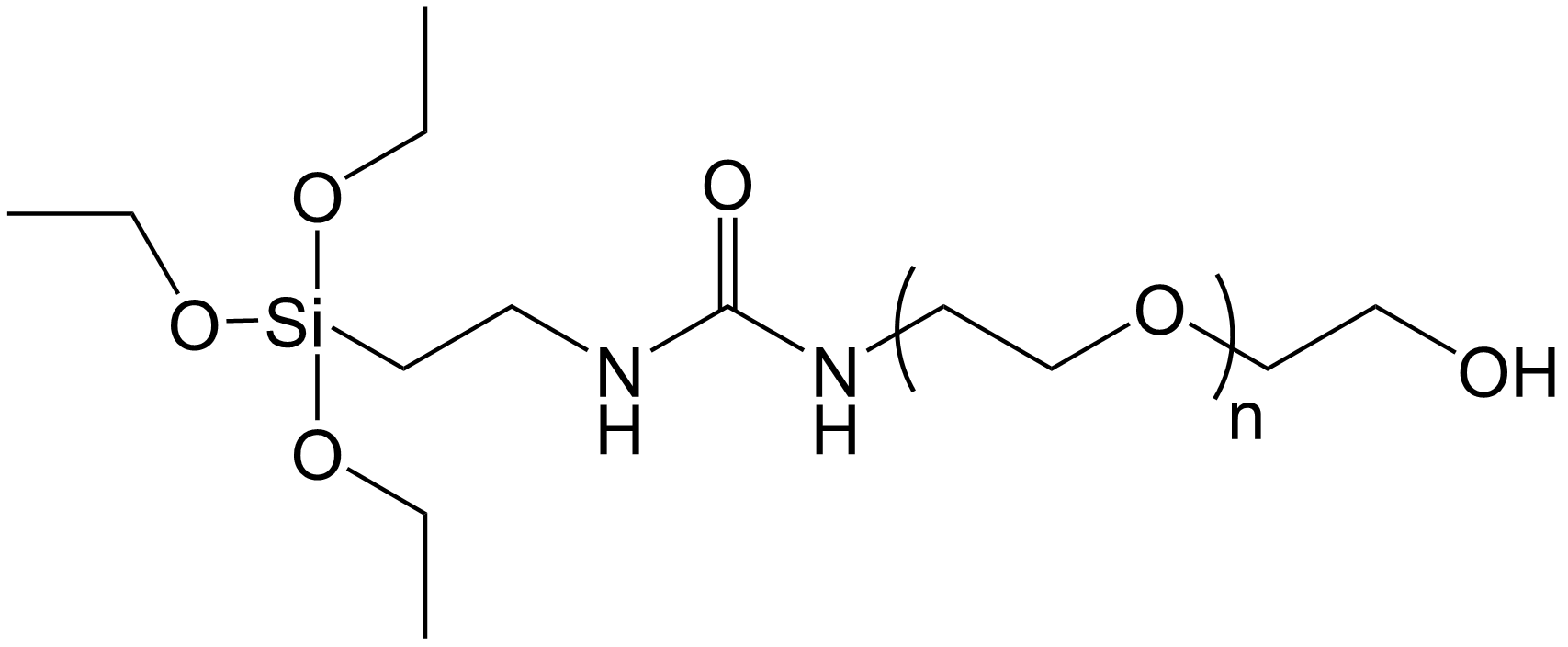
Description
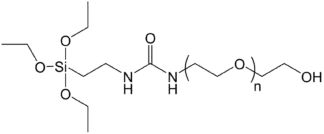
Silane-PEG-OH is a versatile surface-modification reagent designed for PEGylation of inorganic materials and nanomaterials. The trialkoxysilane group readily hydrolyzes and forms stable siloxane bonds with hydroxyl-rich surfaces such as silica nanoparticles, glass slides, silicon wafers, quartz substrates, iron oxide nanoparticles, and other metal oxides.
The PEG spacer improves hydrophilicity, reduces nonspecific protein adsorption, minimizes surface fouling, and enhances biocompatibility. The terminal hydroxyl group provides a non-reactive hydrophilic surface while also serving as a synthetic handle for further derivatization when desired.
Silane-PEG-OH is widely employed in nanoparticle stabilization, biosensor fabrication, diagnostic devices, anti-fouling coatings, biointerfaces, medical device coatings, and surface modification applications.
Applications
- Silica nanoparticle functionalization
- Glass surface modification
- Surface PEGylation
- Biosensor fabrication
- Anti-fouling coatings
- Diagnostic device development
- Medical device coatings
- Nanoparticle stabilization
- Surface engineering
- Biomedical research
Features and Benefits
- Reactive trialkoxysilane functionality
- Terminal hydroxyl group
- Stable surface immobilization
- Excellent surface coverage
- Reduces nonspecific protein adsorption
- Improves hydrophilicity
- Excellent biocompatibility
- Anti-fouling surface properties