
Description
General Description
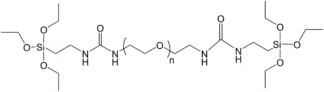
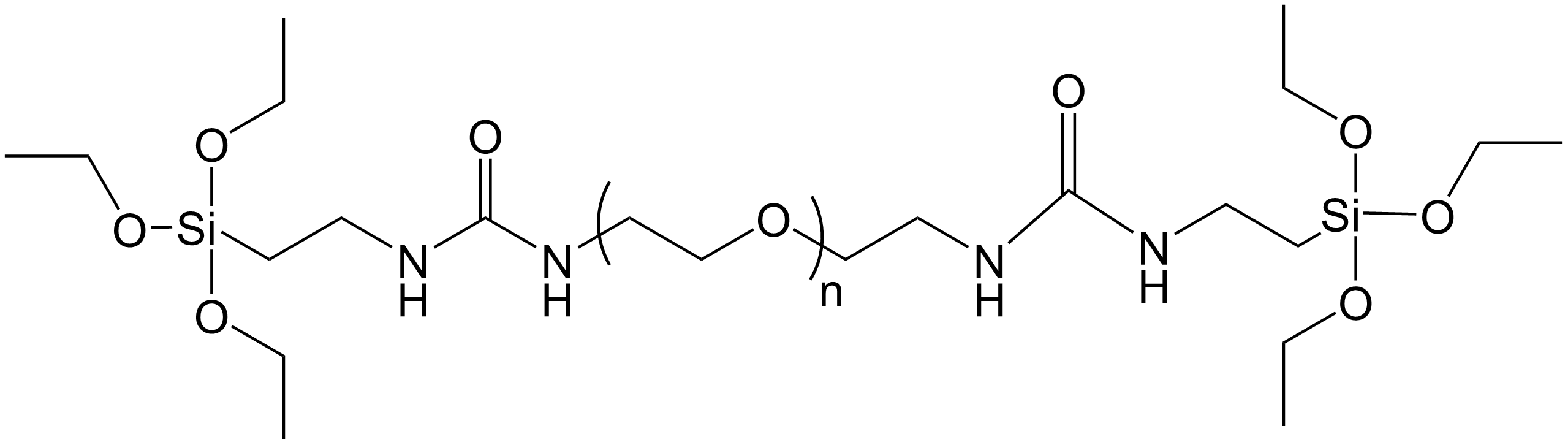
Silane-PEG-Silane is a versatile homobifunctional PEG crosslinker designed for surface functionalization and materials engineering. Each terminal trialkoxysilane group hydrolyzes in the presence of moisture to generate reactive silanol intermediates, which subsequently condense with hydroxyl groups on inorganic surfaces to form durable siloxane (Si–O–Si) linkages.
The bifunctional silane structure enables the modification and bridging of silica-based materials, glass substrates, silicon wafers, quartz, ceramic materials, and metal oxide surfaces. The PEG spacer imparts hydrophilicity, flexibility, and biocompatibility while minimizing nonspecific protein adsorption and biofouling.
Silane-PEG-Silane is extensively employed in biosensor fabrication, glass and silica surface PEGylation, nanoparticle functionalization, microfluidic device fabrication, anti-fouling coatings, hydrogel preparation, and biomedical surface engineering.
Applications
- Glass surface functionalization
- Silica nanoparticle modification
- Silicon wafer modification
- Quartz surface treatment
- Biosensor fabrication
- Microfluidic device fabrication
- Anti-fouling surface coatings
- Surface PEGylation
- Hydrogel preparation
- Biomaterials research
Features and Benefits
- Reactive silane groups at both termini
- Forms stable siloxane (Si–O–Si) bonds
- Strong attachment to hydroxylated surfaces
- Hydrophilic PEG spacer
- Excellent water compatibility
- Excellent biocompatibility
- Reduces nonspecific protein adsorption
- Suitable for inorganic surface modification
- Available in multiple PEG molecular weights