
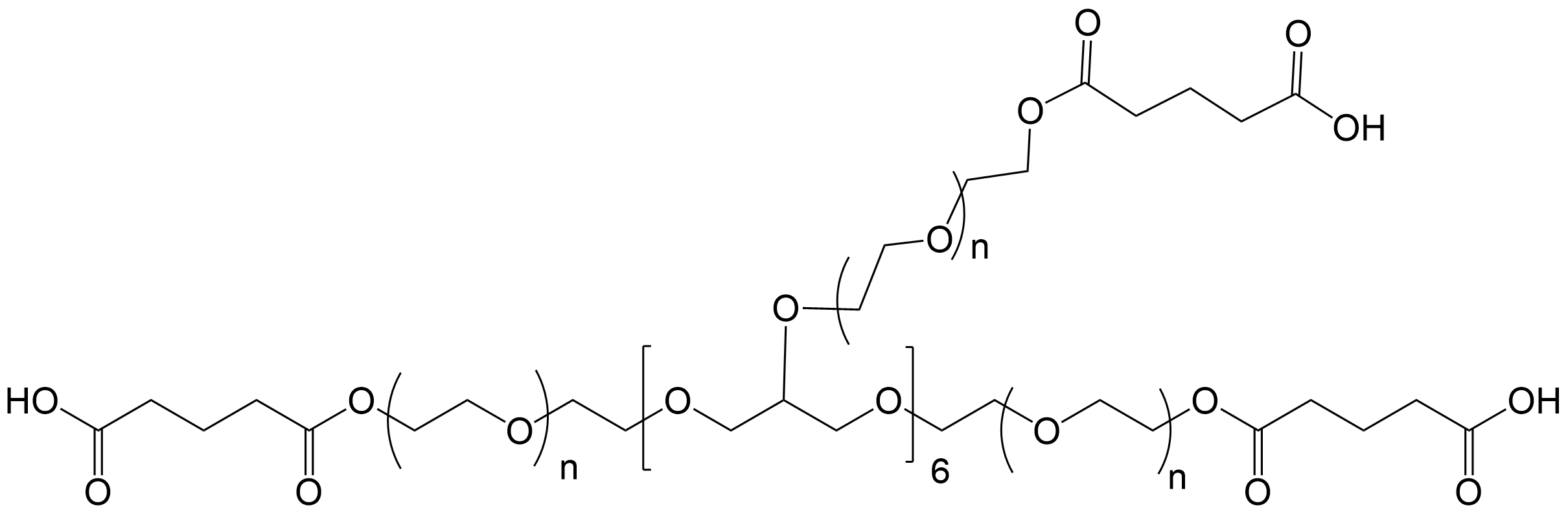
Description
General Description
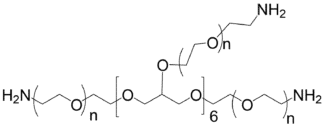
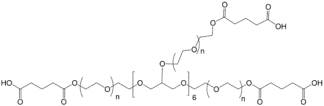
8-Arm PEG-GA is a multifunctional PEG derivative designed for advanced bioconjugation and hydrogel fabrication. The eight-arm architecture provides a high density of terminal glutaric acid functionalities, each presenting a free carboxyl group that can be activated for efficient coupling to proteins, peptides, antibodies, enzymes, polymers, and biomaterial surfaces.
Compared with 8-Arm PEG-COOH, the glutaric acid spacer introduces an additional flexible aliphatic linker between the PEG backbone and the terminal carboxyl group. This can improve accessibility of the reactive carboxyl group and reduce steric hindrance during conjugation.
The PEG backbone provides excellent water solubility, flexibility, biocompatibility, and minimizes nonspecific protein adsorption. 8-Arm PEG-GA is widely employed in hydrogel preparation, regenerative medicine, surface modification, nanoparticle engineering, protein conjugation, and advanced biomaterials development.
Applications
- Hydrogel synthesis
- Protein conjugation
- Antibody conjugation
- Peptide conjugation
- Surface modification
- Nanoparticle functionalization
- Tissue engineering
- Drug delivery systems
- Regenerative medicine
- Biomaterials research
Features and Benefits
- Eight terminal glutaric acid groups
- High-density carboxyl functionality
- Compatible with EDC/NHS coupling chemistry
- Flexible glutaric acid spacer
- Excellent water solubility
- Excellent biocompatibility
- High crosslinking efficiency
- Low protein adsorption
- Suitable for hydrogel fabrication